

What you need to know about incoming data centers in Pennsylvania
There is a data center boom fueled by Generative AI, and with that a boom in oil & gas infrastructure and pollution. This boom is a bubble, with the data center market already collapsing in China.
The tech industry acknowledges the low number of jobs these facilities provide to communities, with data center automation continuing to shrink workforces further.
Data centers need potable water (i.e. our drinking water) to operate, with less than 5% of data center total water supply from alternative sources. A single AI generated email can use more than a bottle of water. There is risk for water contamination from a data center’s coolant system back into the community.
Data centers are noisy, with residents who live nearby reporting “headaches, stress, and sleep disturbance.” Wildlife can also be affected, sometimes “forcing them to seek new migration patterns.”
In PA, these centers will primarily be powered with fracked gas. We know fracking harms our health, with complications including prenatal harm, respiratory impacts, cancer, heart disease, mental health impacts, and premature death.
After the gas is fracked, there are more toxic emissions from the gas-fired power plants; with pollutants such as Particulate Matter, Sulfur Oxides, Volatile Organic Compounds, Benzene, Lead, and Hexavalent Chromium contaminating our air and water.
Tell your township to update their zoning ordinances, to protect your community from data center harms.
Two Key Ordinances and a Resolution Your Community Can Pass:
1. Data Center Ordinance
This zoning ordinance regulates the where and how data centers are allowed to operate.
-
Restrict where data centers are permitted (e.g., away from residential zones)
-
Require strict review processes, public hearings, and environmental assessments
-
Mandate clean energy use and limit water consumption
-
Require community benefits agreements and enforceable conditions
2. Environmental Nuisance Ordinance
This ordinance protects residents from pollution and disturbances that harm health and well-being, and is not industry-specific. It can:
-
Set limits on noise, including low-frequency vibrations
-
Regulate air pollution, light pollution, and odor
-
Limit continuous operations that interfere with daily life
-
Provide enforcement tools for the municipality and rights for residents to report violations
3. Quality of Life Resolution
This Quality of Life Resolution is legally non-binding, but can be used as a way for local elected officials to publicly:
-
Signal that they are interested in initiating studies on data center impacts
-
Support exploring the adoption of data center ordinances
-
Are dedicated to protecting the quality of life, health, and safety of residents.
Call on your legislators to support a statewide moratorium on data center development!
Tell them to support Sen. Katie Muth’s proposed three year moratorium: buff.ly/Zws4yDg
Is there a data center near you? Check out this data center tracker.

Talk to Local Officials
Call, email, or meet with your borough or township council members. Tell them why you’re concerned and ask them to adopt both ordinances. Share sample ordinances (available upon request).
Organize with Neighbors
Host a community meeting or start a petition to show widespread support. A united voice is powerful.
Attend Public Meetings
Speak during public comment periods at zoning or council meetings. Ask your municipality to put the ordinances on their agenda.
Stay Informed
Follow local news and planning commission updates. Be on the lookout for any data center proposals or zoning changes.
Reach Out for Help
Contact organizations like Physicians for Social Responsibility Pennsylvania (PSR PA) for guidance, ordinance templates, and advocacy support.
.png)
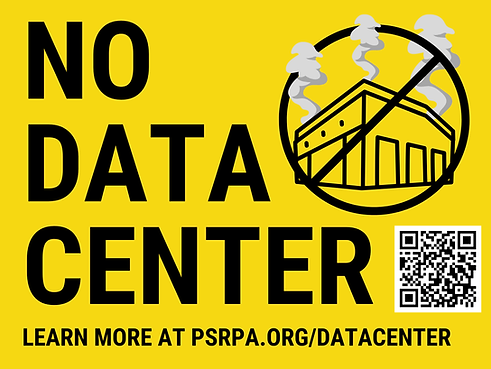
Want yard signs?
Contact josephine@psrpa.org