
2026 Nonpartisan
Candidate Questionnaire
Physicians for Social Responsibility Pennsylvania (PSR PA) is interested in connecting voters to the candidates in Pennsylvania that most reflect their values around climate, environment and public health. So we created a survey to see were candidates stand.
347
out of 407 candidates
contaced
67
out of 347 responded
55
out of 67 shared
personal comments
1.
Are you an incumbent?

2.
On a scale of 1-10, how important do you think it is to hold polluters, (ie. landfills, industrial sites, data centers and more), accountable by supporting and strengthening federal and state standards, public reporting, and monitoring air and water for pollution including mercury, PFAS, and particulate matter in order to improve public health outcomes for Pennsylvanians?

3.
On a scale of 1-10, how important do you believe it is to support and develop clean, renewable energy in Pennsylvania through setting statewide goals or mandates for renewable energy and energy efficiency, while also stabilizing energy costs by improving state programs that help low income households weatherize their homes and to prevent utility bills from rising due to increased industrial demands?

4.
On a scale of 1-10, how important do you think it is to support studies that assess water and air quality, cancer clusters, or other health impact assessments in historically overburdened areas, such as rural and post-industrial communities and advocate for policies at the state and local levels to address climate-related health risks, such as extreme heat, poor air quality, flooding, etc.?

5.
On a scale of 1-10, how important is it to support the development of safe and healthy jobs and workforce training programs that help ensure a just transition for workers in dying industries while protecting community health and the environment?
6.
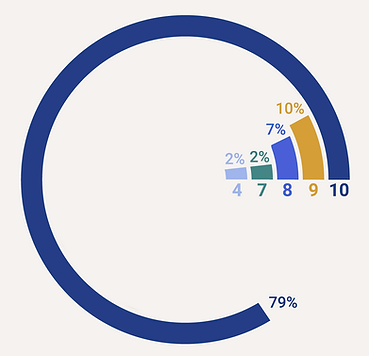
On a scale of 1-10, how important is it to incorporate community voices, especially from impacted regions, into environmental health and energy policy decisions?

7.
Rank the following issues in order from most important (1) to least important (5) : Energy Affordability, Public Health, Climate Impacts and Environmental Degradation, Public Participation, Affordable Housing
